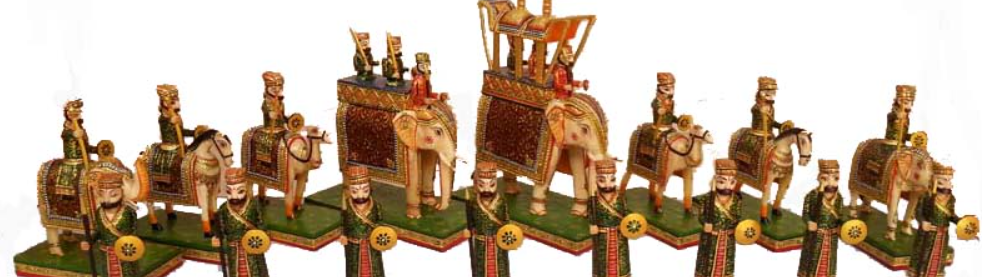
A collaboration between Dave Howe and ChatGPT4
I. Introduction
A. Brief overview of chess as a strategic board game
1. Chess is a two-player board game with a long and fascinating history. It is played on a square board, divided into 64 smaller squares of alternating colors, usually black and white.
2. The objective of the game is to capture the opponent’s king or put it in a position where it cannot escape capture, a situation known as checkmate.
3. Each player has 16 pieces at the beginning of the game, consisting of a king, a queen, two rooks, two knights, two bishops, and eight pawns. Each type of piece moves in a distinct way and has unique strategic value.
4. Chess is renowned for its complexity, depth, and near-infinite possibilities, making it a game that rewards strategic thinking, creativity, and problem-solving skills.
B. Importance of chess in various cultures
1. Chess has been a part of human culture for over a millennium, with its origins dating back to ancient India.
2. Over time, the game has evolved and spread across the globe, becoming an integral part of many societies and cultures.
3. Chess has inspired countless works of literature, art, and philosophy, reflecting its profound impact on human thought and culture.
4. Today, chess is played by millions of people worldwide, both as a recreational activity and as a competitive sport, with international tournaments and championships showcasing the skill and talent of the best players.
II. Early origins of chess
A. Chaturanga: Ancient Indian game
Time period: around 6th century AD
a. Chaturanga is widely considered to be the earliest known precursor of modern chess.
b. The game was invented in India during the Gupta Empire, with historical evidence suggesting that it was played as early as the 6th century AD.
Board, pieces, and basic rules
a. Chaturanga was played on an 8×8 uncheckered board called an Ashtapada, similar to the modern chessboard.
b. The game had four distinct types of pieces: infantry, cavalry, elephants, and chariots, corresponding to modern pawns, knights, bishops, and rooks, respectively.
c. Each player also had a king (rajah) and a general (mantri or senapati), which can be considered early versions of the king and queen.
d. The objective of the game was to capture the opponent’s king or render it immobile.
e. Chaturanga also introduced the concept of “check” (threatening the king), which is an essential aspect of modern chess.
f. The movement of the pieces in Chaturanga was more limited compared to modern chess, with the general only moving one square diagonally and the chariots, elephants, and cavalry having restricted movements as well.
Influence on later chess variants
a. Chaturanga’s popularity in India led to the game being transmitted to Persia, where it was adapted into Shatranj.
b. Shatranj, in turn, served as the basis for the development of chess in the Islamic world and its subsequent spread to Europe.
c. Many of the core elements of Chaturanga, such as the 8×8 board, distinct piece types, and basic rules, have been preserved in modern chess, demonstrating the game’s enduring influence on the evolution of chess.
Chaturanga’s origins in the Gupta Empire
The Gupta Empire, which lasted from around the 4th to the 6th century AD, was a period of great cultural and intellectual flourishing in India. It was during this era that Chaturanga emerged as an innovative board game. The exact origins of the game remain uncertain, but the historical evidence suggests that it was played and enjoyed by people from various social classes in the Gupta period.
Role of the Gupta Empire in the development of Chaturanga
a. The Gupta Empire is known for its contributions to various fields such as mathematics, astronomy, art, and literature. The invention of Chaturanga is another testament to the intellectual achievements of this era.
b. The game likely evolved from earlier Indian board games, such as Ashtapada and Dashapada, which were also played on square boards with grid patterns.
c. It is believed that Chaturanga was inspired by Indian military strategy and the four divisions (or corps) of the classical Indian army: infantry, cavalry, elephants, and chariots. This influence is reflected in the design of the pieces and their movements.
Historical evidence of Chaturanga in the 6th century AD
a. While definitive evidence of Chaturanga’s invention date is scarce, references to the game in ancient Indian literature and art provide important clues about its early history.
b. The earliest known mention of Chaturanga can be found in the Sanskrit text “Subandhu’s Vasavadatta,” dated to around the 6th century AD. In this work, the game is described metaphorically in a passage about a love story.
c. Further evidence of Chaturanga’s existence during this period can be found in the form of painted scenes on ancient temple walls and other archaeological artifacts, depicting people playing the game.
Social impact of Chaturanga in ancient India
a. Chaturanga was more than just a pastime; it was a means of promoting strategic thinking, mental discipline, and creativity among its players.
b. The game was enjoyed by people from different walks of life, including royalty, nobility, scholars, and commoners. It is believed that it was used as a tool for teaching military strategy and tactics.
c. Chaturanga’s widespread popularity in ancient India laid the groundwork for its eventual transmission to neighboring regions, leading to the development of various chess variants and the global spread of the game.
Development of pieces
In the 6th century, Chaturanga pieces were representative of the four divisions of the classical Indian army: infantry, cavalry, elephants, and chariots. Each player had a king (rajah) and a general (mantri or senapati) as well. The pieces in Chaturanga did not have the standardized appearance of modern chess pieces, and their exact design could vary depending on regional styles, materials, and the skill of the craftsmen. However, we can provide a general description of what each piece may have looked like:
Infantry (Pawns)
a. In Chaturanga, pawns represented foot soldiers or infantry.
b. Pawns were likely the smallest and simplest pieces on the board, often designed as small, cylindrical, or conical objects with minimal ornamentation.
c. It is possible that the infantry pieces were carved to resemble soldiers, but their small size and simplicity would have made it difficult to include intricate details.
Cavalry (Knights)
a. The cavalry pieces represented mounted warriors or horsemen.
b. These pieces were likely carved to resemble a horse with a rider, possibly adorned with armor or other symbolic elements to indicate their military role.
c. The level of detail and the style of the horse and rider could have varied based on regional preferences and the artisan’s skill.
Elephants (Bishops)
a. The elephant pieces symbolized the war elephants, which were an essential part of the classical Indian army.
b. These pieces would have been designed to resemble an elephant, possibly with a small howdah or platform on its back, where a warrior or commander would be stationed.
c. The level of detail in the carving of the elephant pieces could range from simple, stylized forms to more intricate and realistic depictions, depending on the materials and craftsmanship.
Chariots (Rooks)
a. The chariot pieces represented the war chariots used in ancient Indian warfare.
b. These pieces were likely designed to depict a chariot, sometimes with a warrior or archer standing inside it. The chariots may have had two or four wheels, depending on regional variations and artistic interpretation.
c. The detail and complexity of the chariot pieces would have depended on the skill of the artisan and the materials used.
King (Rajah)
a. The king piece symbolized the monarch or ruler, who was the most important figure on the battlefield.
b. The king piece would have been designed to stand out from the other pieces, possibly with a more elaborate and detailed carving, such as a seated or standing figure wearing a crown or other royal regalia.
c. The level of detail and the style of the king piece would have varied based on regional preferences and the skill of the craftsman.
General (Mantri or Senapati)
a. The general piece represented the second-in-command, a high-ranking military advisor, or strategist.
b. This piece was likely designed to resemble a human figure, possibly seated or standing, and adorned with symbols of authority or rank, such as a staff or a particular style of headdress.
c. As with the other pieces, the general’s appearance would have depended on regional styles and the craftsman’s skill.
It is important to note that the appearance of the pieces in Chaturanga could have varied widely, depending on regional styles, materials used (such as wood, ivory, or stone), and the craftsmanship of the artisans who created the game sets.
How pieces moved
In Chaturanga, each type of piece had its distinct movement pattern, which was more limited compared to modern chess. Here’s a detailed description of how each piece moved in the 6th-century version of the game:
Infantry (Pawns)
a. Pawns moved one square forward, just like in modern chess. However, unlike modern chess, pawns in Chaturanga could not move two squares forward on their first move.
b. Pawns captured opponent’s pieces by moving one square diagonally forward, similar to their capture move in modern chess.
c. There was no concept of pawn promotion in Chaturanga. When a pawn reached the opponent’s back rank, it did not transform into another piece.
Cavalry (Knights)
a. The knight’s movement in Chaturanga was the same as in modern chess, consisting of a combination of two squares in one direction and one square in a perpendicular direction, forming an “L” shape.
b. Knights could jump over other pieces on the board, both friendly and opposing.
c. The knight captured an opponent’s piece by landing on its square.
Elephants (Bishops)
a. Elephants in Chaturanga had a more limited movement compared to modern bishops. They could only move two squares diagonally in any direction, jumping over the intervening square.
b. The elephant captured an opponent’s piece by landing on its square.
c. The restricted movement of the elephant made it a weaker piece in Chaturanga compared to the modern bishop.
Chariots (Rooks)
a. Chariot movement in Chaturanga was the same as the modern rook, moving any number of squares horizontally or vertically in a straight line.
b. Chariots could not jump over other pieces on the board.
c. The chariot captured an opponent’s piece by landing on its square.
King (Rajah)
a. The king in Chaturanga moved just like the modern king, one square in any direction (horizontally, vertically, or diagonally).
b. The king could not move into a square attacked by an opponent’s piece, as this would put the king in “check.”
c. The objective of the game was to capture or immobilize the opponent’s king.
General (Mantri or Senapati)
a. The general’s movement in Chaturanga was limited compared to the modern queen. It could only move one square diagonally in any direction.
b. The general captured an opponent’s piece by landing on its square.
c. The restricted movement of the general made it a weaker piece compared to the modern queen.
It is essential to note that castling, en passant, and pawn promotion, which are all part of modern chess, were not present in Chaturanga. The game’s more limited movement patterns contributed to a slower pace and different strategic considerations compared to modern chess.
Shatranj: Persian adaptation
Time period: 7th century AD
a. Shatranj emerged as a Persian adaptation of Chaturanga around the 7th century AD, soon after the Islamic conquest of Persia.
b. As the game spread through Persia, it underwent various modifications and adaptations, evolving into a new form that became popular within the region.
Changes in pieces and rules
a. Although the basic structure and rules of Shatranj were similar to Chaturanga, some notable changes were introduced.
b. The names and designs of the pieces were modified to reflect Persian culture and terminology: infantry became “piyadeh” or “sarbaz” (foot soldier), cavalry became “asp” or “faras” (horse), elephants became “pil” or “fil” (elephant), chariots became “rukh” (chariot), the king remained “shah” (king), and the general became “farzin” or “vezir” (counselor or vizier).
c. The movement of the pieces remained mostly unchanged, with the exception of the elephant piece, which now moved one square diagonally instead of two squares diagonally.
d. Shatranj introduced the concept of pawn promotion. When a pawn reached the opponent’s back rank, it could be promoted to a farzin (or vezir, the equivalent of the modern queen), which still retained its limited one-square diagonal movement.
Role in Persian culture and literature
a. Shatranj quickly became an integral part of Persian culture and intellectual life, enjoyed by people from various social classes, including the nobility, scholars, and commoners.
b. The game was often used as a means of teaching strategic thinking, discipline, and problem-solving skills.
c. Shatranj was frequently mentioned in Persian literature, including the famous poet Ferdowsi’s “Shahnameh” (Book of Kings) and various works by Omar Khayyam.
d. Many treatises on Shatranj were written in Persian, exploring opening strategies, tactics, and endgame scenarios. These works contributed to the development of the game’s theory and practice.
Spread to the Islamic Caliphate
a. As the Islamic Caliphate expanded its territories, Shatranj spread throughout the Islamic world, reaching regions such as North Africa, the Middle East, and Spain.
b. The game was embraced by the Muslim scholars and elite, who further refined its rules and strategies, contributing to its growing sophistication and popularity.
c. Shatranj served as a cultural bridge between the Islamic world and the Byzantine Empire, where it was introduced and adapted into the Byzantine game “Zatrikion.”
d. The transmission of Shatranj to Europe via Islamic Spain played a crucial role in the evolution of modern chess. As the game continued to spread across Europe, it underwent further changes, eventually developing into the chess variant we know today.
III. Evolution of chess in the Islamic world
A. Time period: 7th to 15th century AD
Introduction
a. During the time period between the 7th and 15th centuries AD, chess underwent significant development and refinement within the Islamic world.
b. This era saw the emergence of new rules, strategies, and styles of play, as well as the integration of chess into the broader cultural and intellectual life of the Islamic world.
Chess and Islamic scholarship
a. Muslim scholars and intellectuals took a keen interest in chess, studying the game and its strategies in depth.
b. Numerous chess treatises were written in Arabic, exploring opening theories, tactics, and endgame techniques. These works helped advance the understanding of chess and contributed to the development of chess theory.
c. Some notable chess scholars from the Islamic world include al-Adli, who wrote “Kitab ash-Shatranj” (Book of Chess) and al-Suli, who authored “Kitab al-Wazir” (Book of the Vizier) and “Kitab ash-Shatranj al-Kabir” (The Great Book of Chess).
Adaptations and refinements
a. During this period, several modifications to the rules of Shatranj emerged, paving the way for the development of modern chess.
b. Some of these rule changes included faster pawn movements, allowing pawns to move two squares forward on their first move, and the introduction of the en passant capture rule.
c. The concept of checkmate also evolved, with the objective shifting from capturing the opponent’s king to putting the king in a position where it could not escape capture.
Cultural significance
a. Chess became a popular pastime among the Muslim elite and was often played at the courts of caliphs and other high-ranking officials.
b. The game was considered an intellectual pursuit and was associated with wisdom, foresight, and strategic thinking.
c. Chess also held a prominent place in Islamic literature and poetry, with numerous references to the game in works by famous poets and writers, including al-Mutanabbi and al-Hariri.
Transmission to Europe and beyond
a. As trade, diplomacy, and military conquests connected the Islamic world with Europe, the game of chess spread across the European continent.
b. Chess was introduced to Europe primarily through Islamic Spain (Al-Andalus) and the Byzantine Empire, where it was adapted and further developed.
c. By the end of the 15th century, the game had evolved into the modern form of chess, with more powerful pieces (such as the modern queen and bishop) and standardized rules that we know today.
III. B. Development of chess strategies and tactics
Chess literature and manuals
a. As chess gained popularity in the Islamic world, scholars and enthusiasts began to produce extensive literature on chess strategy and tactics. These works often included analyses of various opening moves, middlegame tactics, and endgame techniques.
b. Manuals were written to teach players how to exploit weaknesses in their opponents’ positions, create and execute combinations, and navigate complex tactical scenarios.
c. Some of these early chess manuals were later translated into other languages, such as Latin and Persian, helping to disseminate chess knowledge across different cultures and regions.
Famous players and their contributions
a. Al-Adli ar-Rumi (9th century) was one of the earliest and most renowned chess players and theoreticians in the Islamic world. He authored “Kitab ash-Shatranj” (Book of Chess), one of the earliest and most comprehensive works on chess strategy, tactics, and rules.
b. As-Suli (9th-10th century) was another famous player and scholar from the Islamic world. He wrote several influential books on chess, including “Kitab al-Wazir” (Book of the Vizier) and “Kitab ash-Shatranj al-Kabir” (The Great Book of Chess). His works laid the foundation for many modern chess theories, particularly in the areas of opening and middlegame strategy.
c. These and other famous players from the Islamic world made significant contributions to the development of chess, devising new strategies and tactics that shaped the evolution of the game.
C. Influence on other regional chess variants
As chess spread throughout the Islamic world and beyond, it came into contact with various regional cultures, leading to the development of several distinct chess variants.
a. In the Byzantine Empire, a variant called “Zatrikion” emerged, which was heavily influenced by Shatranj but adapted to suit Byzantine tastes and traditions.
b. In East Asia, the Islamic version of chess likely contributed to the development of “Xiangqi” (Chinese chess) and “Shogi” (Japanese chess). Both games share similarities with chess in terms of board size, pieces, and strategic principles, but have unique characteristics and rules.
c. In Africa, the game of “Sittuyin” (Burmese chess) and “Makruk” (Thai chess) evolved with influences from Indian and Islamic chess traditions.
The exchange of ideas and strategies between these regional chess variants enriched the game’s development and led to the emergence of new tactics, strategies, and styles of play.
a. For example, the opening theory and the importance of central control in the game of chess can be traced back to the influence of Shatranj and the teachings of Islamic chess scholars.
b. The regional variants also contributed to the evolution of chess pieces, such as the bishop and the queen, which gained more powerful moves in the modern form of chess.
The spread and interaction of chess and its regional variants throughout history demonstrate the game’s adaptability and enduring appeal, as well as its ability to foster cultural exchange and intellectual growth across different civilizations.
Al-Adli ar-Rumi was a prominent chess player and theoretician in the 9th century Islamic world. His work, “Kitab ash-Shatranj” (Book of Chess), represents one of the earliest and most comprehensive works on chess strategy, tactics, and rules. Although the original text has been lost, fragments and summaries of his work have survived through later chess literature and commentaries, providing insights into his contributions to chess theory.
Strategy
a. Al-Adli emphasized the importance of controlling the center of the board and establishing a strong pawn structure in the opening phase of the game. This concept remains central to modern chess strategy.
b. He recognized the value of piece coordination and encouraged players to develop their pieces harmoniously, ensuring that they work together efficiently to support each other and control critical squares.
c. Al-Adli also stressed the need for a well-thought-out plan in the middlegame, taking into account the position of both friendly and opposing pieces, as well as the overall balance of material and initiative.
Tactics
a. Al-Adli introduced several tactical concepts that remain relevant in modern chess. For example, he discussed the concept of pins, skewers, and discovered attacks, which involve exploiting the relative positions of enemy pieces to create threats and win material.
b. He analyzed various forms of combinations, including sacrifices, which involve giving up material to gain a positional or tactical advantage. This concept laid the foundation for combinational play in chess.
c. Al-Adli also explored various tactical motifs, such as forks, double attacks, and decoys, which involve setting traps and creating multiple threats to exploit the opponent’s vulnerabilities.
Rules
a. In “Kitab ash-Shatranj,” Al-Adli provided detailed explanations of the rules of Shatranj, the precursor to modern chess. Although many of these rules have evolved over time, his work serves as an essential historical record of the game’s development.
b. He discussed piece movements, capturing rules, and the concept of check and checkmate. Additionally, he outlined the rules governing special moves, such as pawn promotion and castling, which were not yet standardized in Shatranj but would later become integral to modern chess.
c. Al-Adli also provided guidelines for chess etiquette, emphasizing the importance of fair play, respect for opponents, and adherence to the rules and principles of the game.
Al-Adli ar-Rumi’s contributions to chess theory had a lasting impact on the game’s development, influencing later generations of players and scholars. His work on strategy, tactics, and rules helped lay the groundwork for the rich and complex game that chess has become today.
IV. Arrival of chess in Europe
A. Time period: 9th to 15th century AD
Introduction
a. Chess arrived in Europe between the 9th and 15th centuries AD, primarily through contact with the Islamic world, where the game had undergone significant development and refinement.
b. The game’s transmission occurred through various channels, including trade, diplomacy, and military conquests, which facilitated cultural exchange between Europe and the Islamic world.
Pathways of transmission
a. Islamic Spain (Al-Andalus): One of the primary routes for the introduction of chess to Europe was through Islamic Spain. In the 10th century, the game was already well-established in the region, and it soon spread to neighboring Christian territories, including modern-day Spain, Portugal, and France.
b. The Byzantine Empire: Another important route for the transmission of chess to Europe was through the Byzantine Empire. Chess was introduced to the Byzantine Empire by contact with the Islamic world, and the game was adapted into the Byzantine variant “Zatrikion.” From there, it spread to other parts of Europe, particularly Eastern Europe and the Balkans.
Adaptation and evolution
a. As chess took root in Europe, it underwent further adaptation and evolution, with the pieces, rules, and strategies being modified to better suit European tastes and sensibilities.
b. Changes to the pieces: The most significant changes occurred in the powers of the pieces. The modern queen and bishop, for example, gained much greater mobility, with the queen becoming the most powerful piece on the board.
c. Standardization of rules: European chess players eventually agreed upon a common set of rules, which helped to promote the game’s popularity and competitiveness across the continent.
Chess in European culture and literature
a. As chess gained popularity in Europe, it began to appear in various forms of art, literature, and other cultural expressions. For example, the game is featured in the famous “Book of Games” (Libro de los Juegos) commissioned by Alfonso X of Castile in the 13th century.
b. Chess also became a popular subject in European poetry and prose, with authors such as Geoffrey Chaucer and Jacobus de Cessolis incorporating the game into their works.
Development of modern chess
a. By the end of the 15th century, the game had evolved into the modern form of chess, with standardized rules and more powerful pieces.
b. The introduction of the modern pawn move, which allowed pawns to advance two squares on their first move, and the en passant capture rule further accelerated the pace of the game.
c. The development of modern chess notation and the printing press also played a crucial role in the dissemination of chess knowledge and the popularization of the game across Europe.
The arrival of chess in Europe marked a significant milestone in the game’s history, as it not only facilitated the transmission of chess knowledge and strategies but also led to further adaptations and innovations that shaped the game into the form we know today.
Changes in rules, pieces, and board
a. As chess spread throughout Europe, it underwent a series of adaptations and modifications to better suit the preferences and culture of European players.
b. The board’s appearance evolved, with alternating light and dark squares becoming the standard. This made it easier for players to differentiate between squares and improved the game’s visual appeal.
c. Many of the original Shatranj pieces were renamed and redesigned to reflect the European social hierarchy and military units, such as kings, queens, bishops, knights, and rooks.
Introduction of new moves, e.g., castling and en passant
a. Castling: This unique move was introduced to European chess, allowing the king and rook to move simultaneously for added protection and development. Castling enabled players to safeguard their king and connect their rooks, adding a new strategic dimension to the game.
b. En passant: This rule was developed in response to the introduction of the double-step pawn move. En passant allowed a pawn to capture an opponent’s pawn that had just moved two squares forward from its starting position as if it had moved only one square. This rule helped maintain the balance of power between pawns and added complexity to pawn play.
Evolution of the queen and bishop
a. Queen: The queen evolved from the relatively weak piece known as the “ferz” in Shatranj, which could only move one square diagonally. In European chess, the queen’s movement was dramatically enhanced, allowing it to move any number of squares diagonally, vertically, or horizontally. This made the queen the most powerful piece on the board.
b. Bishop: The bishop’s predecessor in Shatranj, the “alfil,” could only move two squares diagonally and leap over intervening pieces. In European chess, the bishop gained the ability to move any number of squares diagonally without jumping over other pieces, significantly increasing its range and power.
D. Chess in European culture and literature
As chess became increasingly popular in Europe, it began to be featured in various forms of art, literature, and other cultural expressions.
a. Paintings and sculptures often depicted chess games, showcasing the game’s prestige and the intellectual status of its players.
b. Chess motifs were used in architectural designs, such as floor tiles and decorative elements in churches and castles.
Chess in literature
a. Chess became a popular subject in European literature, with authors incorporating the game into their stories and poems as a metaphor for life, love, politics, and morality.
b. Some notable examples include Geoffrey Chaucer’s “The Canterbury Tales,” which mentions chess in the “Franklin’s Tale” and the “Miller’s Tale,” and the allegorical poem “The Chessboard of Love” by Italian poet Antonio Vallisneri.
Chess in education and moral teachings
a. Chess was considered an essential part of noble education, as it was believed to teach valuable skills such as strategy, patience, and foresight.
b. The game was also used to impart moral lessons, as seen in Jacobus de Cessolis’ “Liber de moribus hominum et officiis nobilium super ludo scacchorum” (Book of the Customs of Men and the Duties of Nobles or the Book of Chess), which used chess as an allegory for medieval society and its virtues and vices.
The arrival of chess in Europe and its subsequent adaptations and integration into European culture and literature played a crucial role in shaping the game into the form we know today and contributed to its enduring appeal and popularity worldwide.
V. Modern chess
A. Time period: 15th century AD to present
Since the 15th century, chess has continued to evolve and grow in popularity. The development of standardized rules, international organizations, and the introduction of computer technology have shaped the modern era of chess.
B. Development of standardized rules
FIDE and international chess organizations
a. The Fédération Internationale des Échecs (FIDE) was founded in 1924 to govern international chess competition and establish universal rules and regulations. Today, FIDE is responsible for organizing major chess tournaments, including the World Chess Championship, and maintaining the Elo rating system for players.
b. National chess federations also play an essential role in organizing and promoting chess competitions at the regional and national levels, developing local talent, and fostering cooperation between players and organizations worldwide.
Official chess notation systems
a. Algebraic notation, the most widely used chess notation system, was standardized in the 20th century. This concise and efficient method of recording chess moves has made it easier for players to study and share games, contributing to the development of chess strategy and theory.
b. Other notation systems, such as descriptive notation and computer notation, have also been used historically or in specific contexts.
C. Chess competitions and championships
World Chess Championship
a. The World Chess Championship, established in 1886, is the most prestigious chess competition and determines the world champion. The championship has seen many legendary players and rivalries, contributing to the development of chess strategy, tactics, and theory.
b. The title has been held by some of the game’s most famous players, such as Emanuel Lasker, José Capablanca, Alexander Alekhine, Mikhail Botvinnik, Anatoly Karpov, Garry Kasparov, and Magnus Carlsen.
Famous players and rivalries
a. Throughout the history of modern chess, numerous players have left their mark on the game, contributing groundbreaking ideas and strategies.
b. Some famous rivalries include Garry Kasparov vs. Anatoly Karpov, Bobby Fischer vs. Boris Spassky, and Magnus Carlsen vs. Viswanathan Anand.
D. Chess in the digital age
Computer chess engines and their impact
a. The development of computer chess engines, such as Stockfish and Komodo, has had a profound impact on the game. These engines can evaluate positions and calculate optimal moves, providing players with valuable insights and analysis.
b. Chess engines have also contributed to the development of chess theory, as players can use them to explore new ideas, opening variations, and endgame techniques.
Online chess platforms and communities
a. The internet has revolutionized the way chess is played and enjoyed, with online platforms such as Chess.com, Lichess, and the Internet Chess Club offering players the opportunity to compete and learn from others worldwide.
b. These platforms also provide a wealth of educational resources, such as articles, videos, and interactive lessons, fostering the growth and development of chess players at all levels.
Artificial intelligence and machine learning in chess
a. Advances in artificial intelligence and machine learning have led to the creation of powerful chess programs, such as Google’s AlphaZero, which has demonstrated an entirely new approach to the game, emphasizing a more intuitive and creative style of play.
b. These AI-driven programs have the potential to revolutionize chess strategy and understanding, offering new insights and discoveries that can benefit players of all levels.
The modern era of chess has been characterized by the development of standardized rules, international organizations, and the incorporation of technology.